
Why Worms Are Every Pet Parents Nightmare
Why worms are every pet parents nightmare
Sit back and settle in to hear a horror story that’s sure to make your skin crawl!
As a pet parent, having to deal with worms can cause a great deal of anxiety and stress.
These parasitic creatures can cause several health issues in pets, including weight loss, vomiting, diarrhoea, and lethargy.
They can be transmitted through contaminated soil, faeces or even by fleas, making it essential to take preventative measures such as regular deworming and maintaining good hygiene practices.
If left untreated, worms can even be fatal for your furry friends.
Let’s explore some of the reasons why worms are every pet owner’s worst nightmare!
They can seriously impact the health of your pet
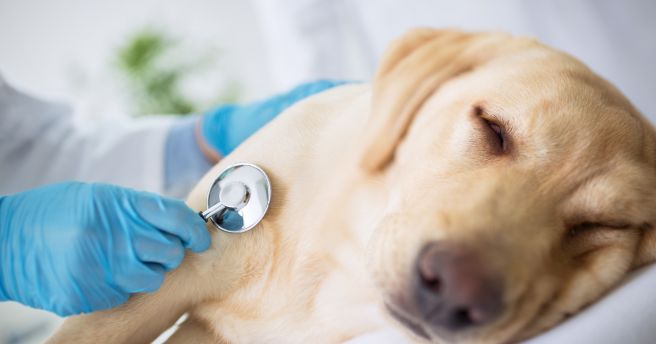
Hookworms, whipworms, roundworms, and tapeworms are some of the most common types of worms that can make our pets feel unwell.
These worms can be sneaky and lay dormant in your pet’s system for a while before physical symptoms show up.
But don’t worry! By being aware of these parasites and taking necessary precautions, we can help keep our households healthy and prevent worms.
First, let’s look at all the different types of worms and what they can cause:
In cats and dogs:
- Roundworms – Intestinal worms that look like spaghetti and can grow up to 15cm. Toxocara (roundworms) can be passed on to puppies and kittens via the milk of the mother.
Left untreated, severe roundworm infestations can have serious, life-threatening health consequences for kittens and puppies.
Similarly, if left untreated in adult cats and dogs, problems include vomiting, diarrhoea, weight loss and anaemia.
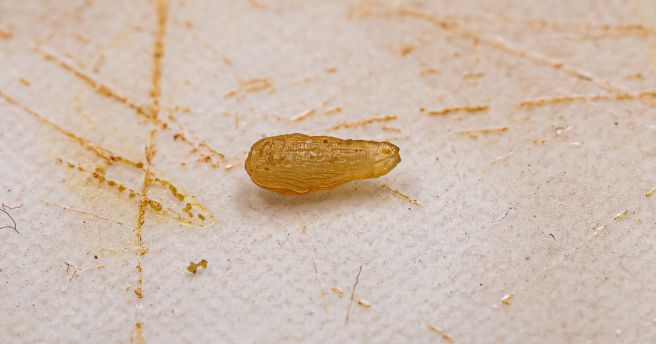
- Tapeworms – Intestinal worms that look like grains of rice. Dipylidium Infection (tapeworm) can occur due to pets ingesting fleas during grooming.
Tapeworms in dogs can cause serious health issues, such as anaemia, weight loss, and intestinal blockages if left untreated.
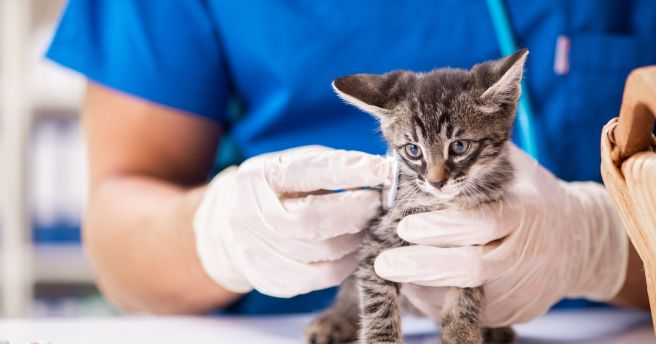
If left untreated in cats, they can cause intestinal inflammation and secondary health issues. Older cats and kittens are especially susceptible to tapeworms. In extreme cases, kittens can even develop intestinal obstructions from adult tapeworms.
In dogs:
- Hookworms – Intestinal parasites that live and latch onto the small intestine and feed off small blood vessels in dogs. Hookworms are a serious threat to dogs, especially young puppies that may not survive the blood loss without transfusions. In older animals, the blood loss may be more chronic, and the pet may have diarrhoea and weight loss.
- Whipworm – Intestinal parasites that attach to the intestinal lining and feed off small blood vessels in dogs. The presence of whipworms in dogs can lead to various health issues such as weight loss, diarrhoea, anaemia, and bloody stools.
The greater the number of whipworms, the more severe the symptoms and irritation can be.
This can cause a significant decline in the dog’s quality of life, and body condition score and can be particularly dangerous for puppies, senior dogs, and those with compromised immune systems.
- Lungworm – A parasite in dogs that travels around the body and causes serious health issues from respiratory problems to seizures. Can be caught by your dog eating slugs and snails when eating grass. Lungworm (Angiostrongylus vasorum) is not a threat to humans, but it can sometimes be fatal for dogs.
They can be passed on to us and our families too!
Yes. It’s true. It is the stuff of nightmares.
One of the primary concerns is Toxocara (roundworms). Accidental oral ingestion of eggs or eating undercooked meat containing larvae can result in an infection.
Toxocara can also migrate within the body. If larvae become blocked, brain, eye or nerve tract during migration, serious health issues can occur.
Tapeworm infections can be contracted when people touch their pets who have fleas and then eat without washing their hands.
The highest risk group for developing such infections are small children, as they tend to put most things in their mouths.
Echinococcus granulosis and Multilocularis (tapeworm) live in the small intestine of dogs and cats and move into the environment via faeces.
Pigs and sheep or rodents then act as intermediate hosts ingesting them from the environment, which develop into hydatid cysts, passing back to pets from eating raw offal or infected rodents.
Eggs can be passed to humans via faeces, through direct contact with pets or contaminated food.
Both infections result in the formation of hydatid cysts, usually in the liver or lungs of humans, and if left untreated, can have fatal consequences.
Dog hookworms generally do not cause intestinal hookworm infection in humans.
Some dog hookworms can cause cutaneous larva migrans, a skin condition in humans. For this to happen, your skin needs to come into direct contact with faeces that are a few days old from an infected dog.
If your pets are frequently around pregnant women, children, or the elderly, it is highly recommended that you worm them regularly using reliable treatments to avoid infection.
Toxoplasma is a type of intestinal parasite that is commonly found in cats.
It can spread through the consumption of meat from an animal that has lived on contaminated soil or from contact with infected faeces in a litter box.
People can also contract toxoplasmosis by petting their cat and then not washing their hands before eating.
Symptoms of an infection may include sore muscles and flu-like symptoms, while a pregnant woman’s baby may suffer from brain damage.
Dogs can also become infected by sniffing or ingesting infected cat faeces, or by coming into contact with the soil or cat litter where the parasite is present.
They’re much more expensive to cure than to prevent!

Did you know that preventing your furry friend from getting infected with worms is much easier and less expensive than treating them once they have already been infected?
That’s why it’s always a great idea to take responsible measures and maintain a regular deworming routine to keep your pet healthy and happy.
Not only will this help you avoid a hefty vet bill, but it will also ensure that your best bud enjoys a good quality of life.
Remember, puppies, kittens, and older pets are more susceptible to heavy worm burdens.
This can lead to further treatment or even surgery, ultimately costing over £1000 to nurse your pet back to full health.
They can be picked up pretty easily

Toxocara eggs (worm eggs) are being discovered more frequently in contaminated soil found in lots of UK parks.
Worms can be transmitted via fleas, faeces of other animals and eating soil, eating mice and rats when hunting. Roundworms are also passed onto young pets from their parents.
Tapeworms can also be transmitted from fleas so it is important to keep up to date with flea treatments.
Hookworms can be picked up from the mother or faeces of other dogs or foxes. So be vigilant if you have a doggo that loves to roll in fox poo during walks.
Whipworm is passed on via eggs in other dogs’ faeces or the soil. However, Whipworm is fairly rare in the UK.
They are beyond unpleasant to deal with
They can show up in your pet’s sick and poo.
If your pet is vomiting worms, then this suggests a very heavy burden of worms.
Yes, they come out alive. Yes, you can see them wriggling and it is beyond upsetting seeing pets suffer with this. Not to mention disturbing for the person who must clean It all up!
Tapeworms can exit the anus and can be seen wriggling around in the fur around the bottom. These can drop off your pet and you can find them on the sofa… in your bed… wherever your pet goes!
Not a very pleasant experience if you frequently share the bed with your beloved pet!
They can be fatal to puppies and kittens and other pets!
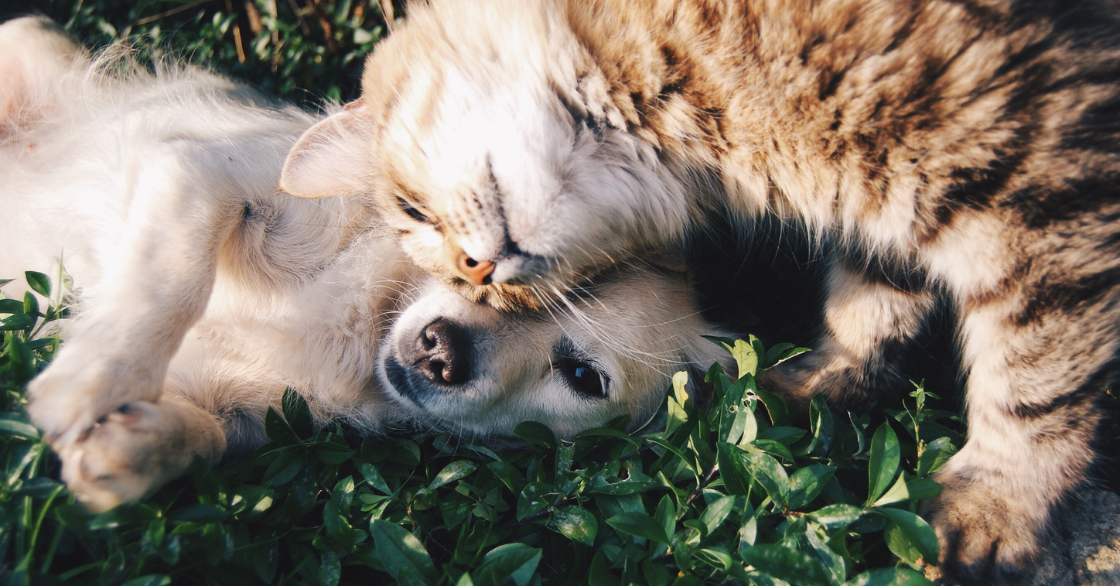
Because puppies and kittens are so small and need all the nutrients they can get, a heavy worm burden for a puppy or kitten that is not regularly dewormed from a young age can be extremely dangerous.
Roundworm can cause dehydration and blockages in the intestines, which can prove fatal.
Young pets, older seniors, or immune-compromised cats and dogs are more at risk, though.
Top ways you can prevent parasites:
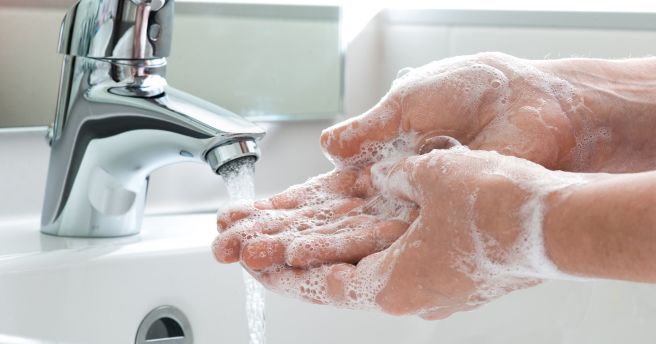
- Practice good personal hygiene. Wash your hands after handling your pet and before eating food.
- Minimise exposure to children and educate them about good personal hygiene.
- Wear gloves whilst gardening.
- Wash fruit and vegetables before eating.
- Regularly treat pets for worms or faecal testing.
- Clean up and dispose of pet faeces responsibly.
- Groom dogs regularly to reduce the risk of worm egg contamination.
- Special care should be taken with pets and risks for immunocompromised people, the elderly, and diabetics. Other people at risk are pregnant women, babies and toddlers, as well as people at occupational risk such as farmers, kennel workers, and hunters.